Pupil voice
At Richard Cloudesley School, communication is at the heart of everything we do. Many of our pupils do not communicate using s peech alone, so we provide a rich, supportive environment where every child has access to the tools and teaching they need to express themselves, build relationships and develop independence.
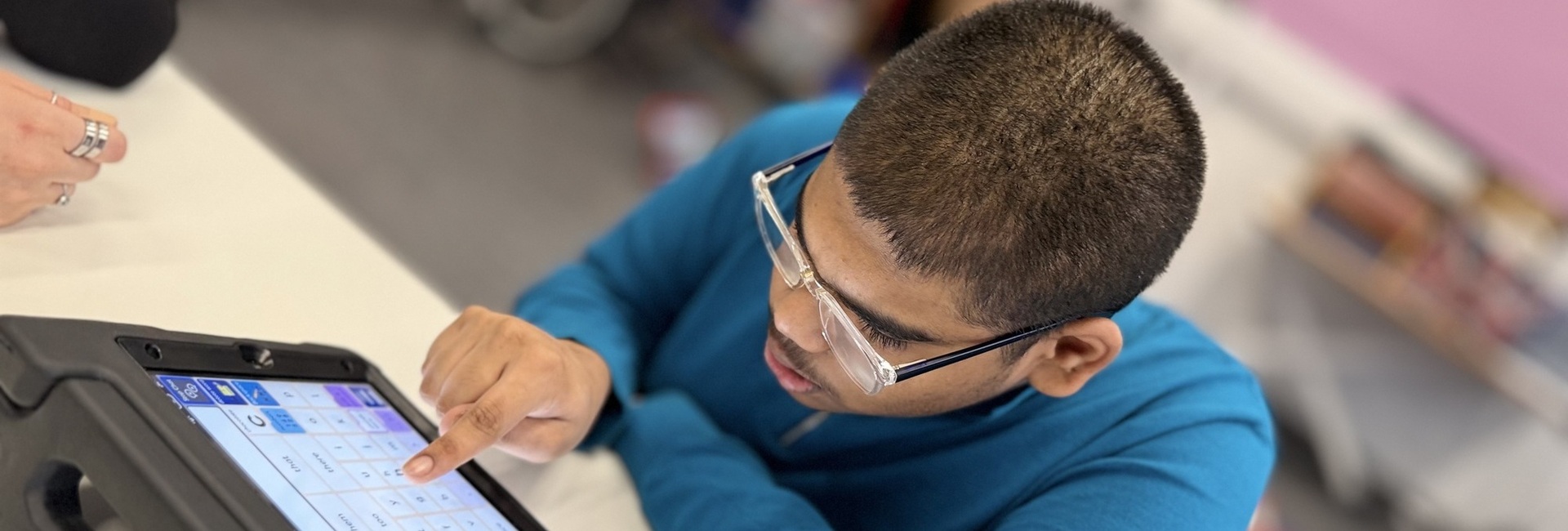
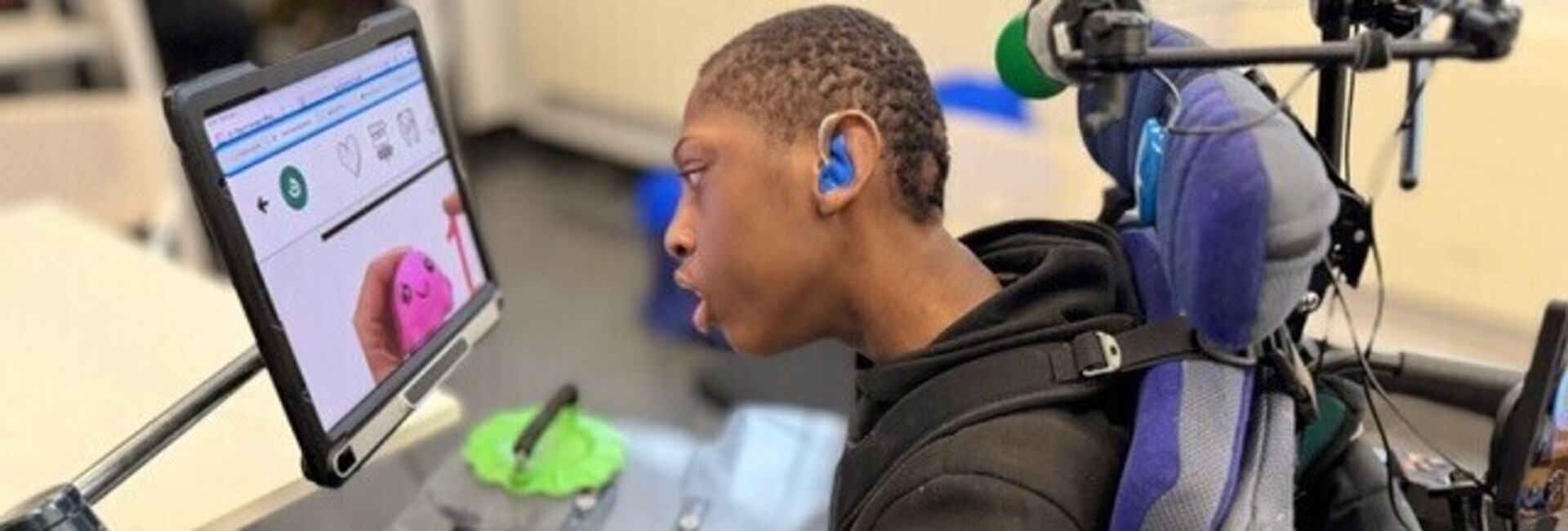
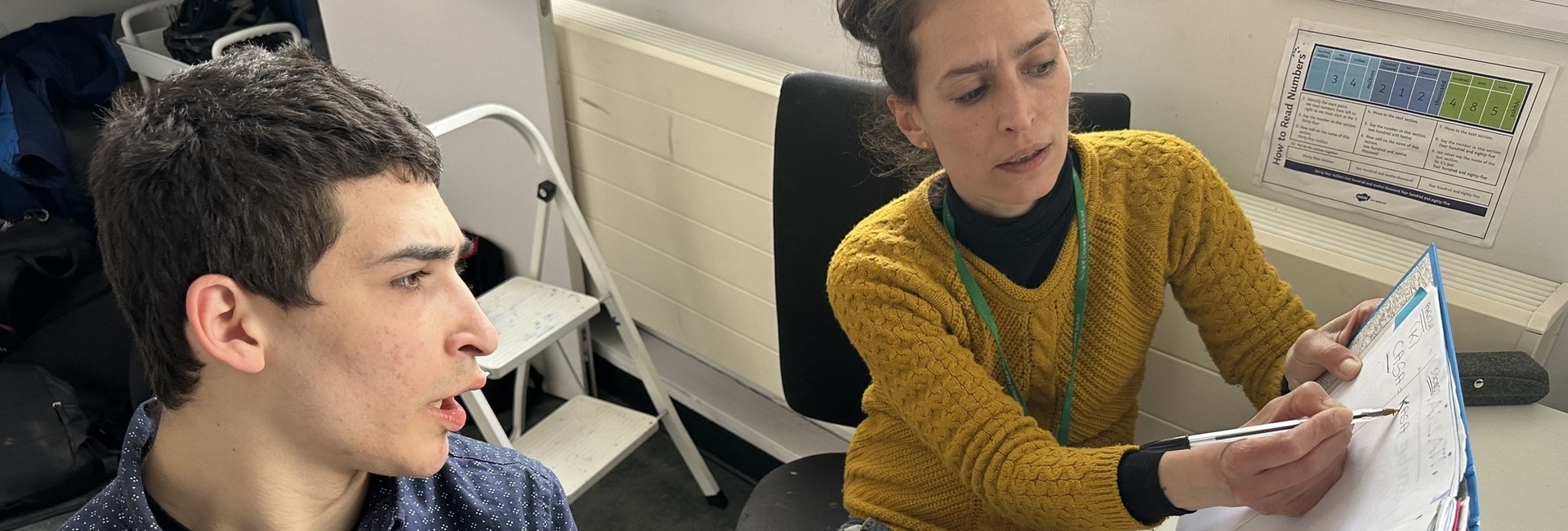
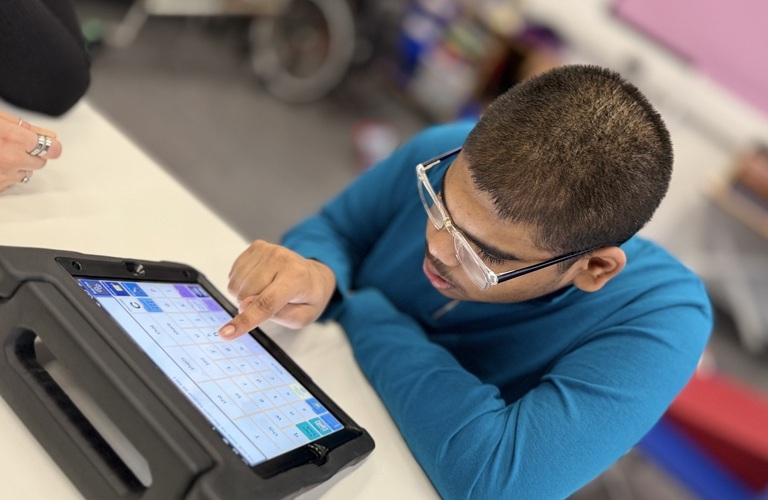
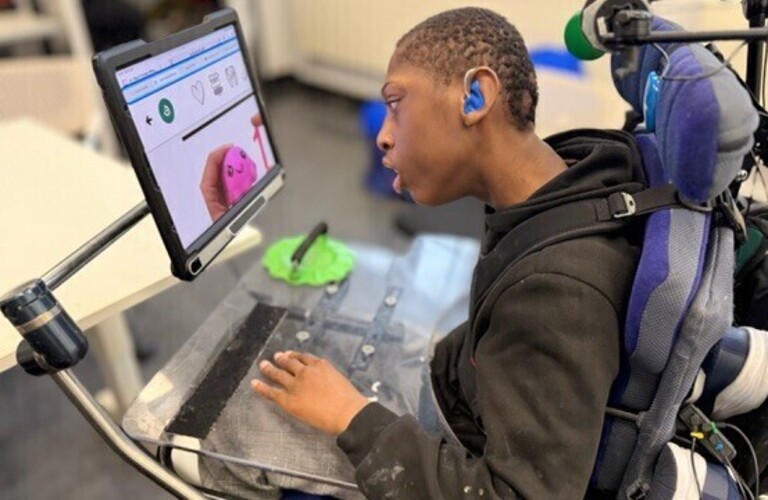
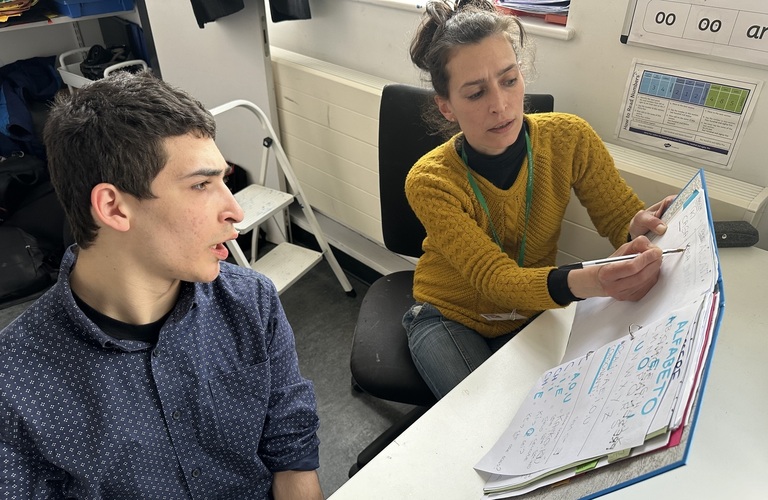
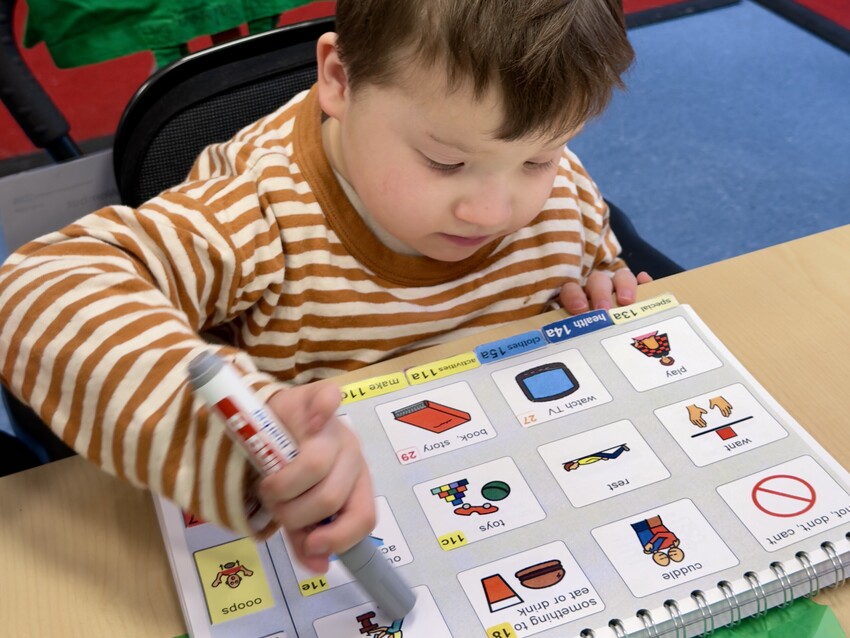
We use a multi‑modal approach to communication, offering a range of Augmentative and Alternative Communication (AAC) systems so that each pupil can use the method that works best for them. These may include symbol books, high‑tech devices, sign, gesture, tactile communication systems and more.
Our Approaches
PODD (Pragmatic Organisation Dynamic Display)
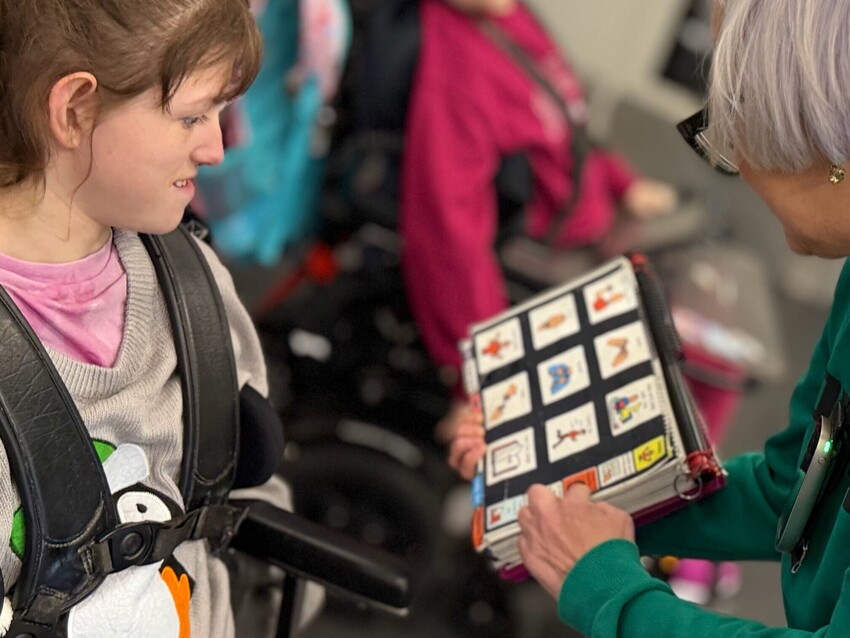
A robust aided‑language system used across our Garden and Secondary departments. It provides pupils with a wide vocabulary for communication in all situations and supports language understanding through consistent modelling by adults.
Choice Symbol Books & ACE Communication Books
Used primarily in our Sky provision to support the needs of neurodiverse primary pupils. These systems help pupils learn that using symbols allows them to request, comment and communicate effectively, and they reflect approaches used in many mainstream and ASD settings.
TaSSeLs (Tactile Signing for Sensory Learners):
A tactile communication system for pupils with multisensory needs, particularly those with visual impairments. This supports meaningful interaction, anticipation, and shared attention
Intensive Interaction
A relational approach used with some pupils to develop early communication and social engagement through shared, responsive interactions.
Makaton
Used with some pupils and in group settings to support attention, understanding and expressive communication.
How We Support Communication
Staff act as “smart partners”, modelling AAC throughout the day so pupils see and hear language used meaningfully and consistently.
All AAC systems use Boardmaker symbols to ensure continuity.
Speech and Language Therapists work closely with the school’s communication lead to provide personalised communication systems and training.
Pupils are encouraged to use a range of communication methods, just as we all do — from facial expression and gesture to symbols, tactile cues and speech.
Our Commitment
We are proud to create an Aided Language environment where every pupil can develop autonomy, independence and a strong voice of their own. By equipping staff, families and pupils with the right tools and knowledge, we ensure that communication is possible everywhere, all the time, in ways that genuinely empower our learners.